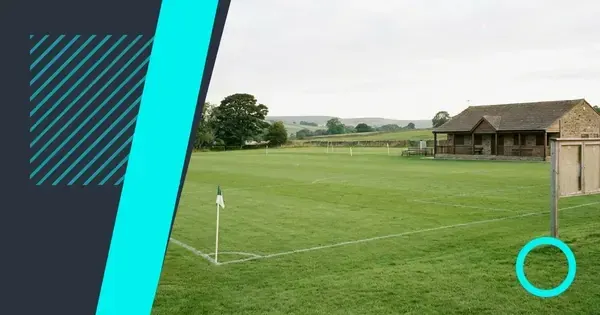
Fixtures tell you when and where Gargrave AFC are playing, whether you're following the first team on a Saturday afternoon or watching the junior sides develop through the season. Gargrave AFC runs teams across multiple age groups and leagues, so knowing how the fixture list works helps you plan your weekends, support the players who matter to you, and never miss a local derby.
Find the latest match dates
The club publishes fixtures as soon as the league confirms them, usually a few weeks before the season starts. Check the noticeboard at the ground, ask the team manager directly, or look for updates shared by parents and supporters who follow your child's age group. Senior fixtures often appear earlier because league structures settle sooner.
Midweek changes happen when weather forces postponements or cup competitions slot into the calendar. A quick word with someone at training usually clears up any confusion, and most teams send a reminder the day before kick-off.
Understand how fixtures are organised
Each team plays in a league suited to its age and ability, and the league itself draws up the fixture list to spread travel fairly and avoid clashes with school holidays where possible. Home games rotate with away games so no side spends the whole autumn on the road.
Cup competitions add extra dates once the season is under way. Some cups run on weekends, others midweek, and a good run means more matches than the fixture list first suggested. Knockout rounds are scheduled after league fixtures to keep the calendar predictable until teams know they're through.
Follow your age group
Youth sides from under-seven through to under-sixteen each have their own league, and fixtures rarely overlap with other age groups from the club. That means parents with children in different teams can usually watch both without choosing. Senior men's and women's teams play separately too, though cup finals occasionally share a venue on the same afternoon.
Plan your matchday around kick-off times
Junior matches typically kick off mid-morning on Sundays, with staggered times so the pitch can accommodate several games in one day. Senior sides play Saturday afternoons, usually at three o'clock, though cup ties sometimes move to Sunday or a weekday evening under floodlights.
Arrive early enough to park, find the right pitch if more than one game is on, and let the players settle. Fifteen minutes gives everyone breathing space, and the earlier you're there, the better your spot on the touchline.
Know what postponements mean for the calendar
Frozen or waterlogged pitches force postponements, and the match moves to a free midweek slot or a blank weekend later in the season. The league decides the new date, not the club, so rearranged fixtures sometimes land awkwardly between other commitments.
A backlog of postponed games can squeeze the end of the season, particularly if spring stays wet. Teams occasionally play twice in one week to clear the schedule before cup finals and presentation evenings.
Check results after the final whistle
Managers report scores to the league by Sunday evening, and results appear on the league website within a day or two. The club's own channels pick up the highlights—goals, standout performances, league position—and parents often share match reports that capture what the official score line misses.
Following results across the season shows how your team is progressing, whether promotion is within reach, or if a mid-table finish still holds plenty of good football and team spirit.
Use fixtures to support the club
Knowing the fixture list means you can volunteer to help with home games, arrange car shares for away trips, or plan a Saturday when several families turn out together. The more supporters who show up, the better the atmosphere, and players notice when the touchline is busy.
Mark a local derby in your diary early. Those matches draw the biggest crowds, and a strong turnout from Gargrave makes the occasion memorable for everyone involved.
Get involved this season
Grassroots football thrives when people turn up. Pick one home game this month and bring someone who hasn't been before. Check with a parent or coach which team needs the most vocal support, and add that fixture to your weekend plans. If you're free on matchday morning, ask if the club needs a hand setting up—it's a small step that makes the fixture happen smoothly.
Frequently asked questions
Where can I find the current fixture list for my child's team?
Ask the team manager or check the club noticeboard at the ground. Many teams also share fixtures in parent group chats a few weeks before the season starts.
What happens if a match is called off because of bad weather?
The league arranges a new date, usually a free midweek evening or a blank weekend later in the season. The manager will let you know once the rearranged fixture is confirmed.
How do I know if a fixture has been moved or cancelled?
The manager sends a message to parents or posts an update in the team's group chat, often the evening before or early on matchday morning if the pitch is unplayable.
Do all age groups play on the same day?
Most youth teams play Sunday mornings with staggered kick-off times, while senior sides usually play Saturday afternoons. Cup ties can move to different days.
Can I watch more than one team if my children play in different age groups?
Yes, fixtures are staggered so parents with children in multiple teams can usually watch both matches without a clash.
How far in advance are fixtures released?
Senior fixtures often appear a few weeks before the season starts. Youth fixtures follow soon after, once the league has confirmed all registered teams and divisions.