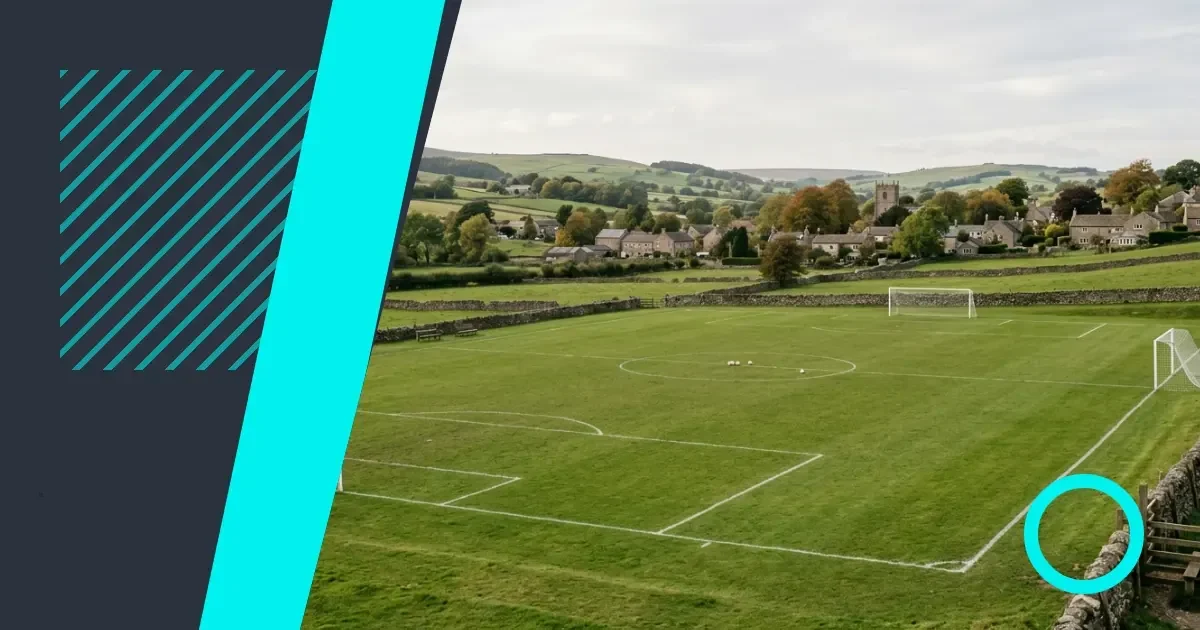
Village football runs on people who turn up. Gargrave AFC fields teams across age groups and relies on players, volunteers and supporters who want to be part of something rooted in the community. Whether you fancy pulling on a shirt, lending a hand on match day or simply watching from the touchline, there's a place for you.
Find the team that fits
The club runs sides for juniors from around six years old through to adults. Junior training focuses on enjoying the game and building skills in a supportive environment. Adult teams play competitively in local leagues, with training sessions that suit different levels of fitness and experience.
If you're a parent looking for a team for your child, junior coaches usually welcome new players throughout the season. Turning up to a training session is the quickest way to see if it feels right. For adults, speaking to the relevant team manager gives you a sense of when they train and what standard they play at.
Watch a session before committing
Most teams don't mind spectators at training. It lets you gauge the atmosphere, meet a few faces and ask practical questions about kit, subs and fixtures. Coaches and managers are used to enquiries from newcomers and will tell you what you need to bring.
Help behind the scenes
Grassroots clubs need people willing to take on jobs that keep things moving. Setting up goals, washing kit, running the line, organising transport and updating fixtures all fall to volunteers. None of it requires special qualifications, just a willingness to pitch in when you can.
If you have a particular skill—coaching badges, first-aid training, groundskeeping experience—the club will always find a use for it. But even an hour on a Saturday morning makes a difference. Many volunteers started by helping out once and found themselves part of the furniture within a season.
Support from the touchline
A vocal crowd lifts a team, and at village level every voice counts. Home fixtures give you a chance to see local football at its most spirited. Away matches often mean a shared car journey and the camaraderie that comes with standing in the rain for ninety minutes.
Supporters also keep the tea hut running, contribute to fundraising efforts and spread the word when the club needs a goalkeeper or a new sponsor. Being a regular face builds the kind of community that makes a club more than just a fixture list.
Bring younger family members along
Children who watch matches often decide they want to play themselves. Seeing older siblings, parents or neighbours on the pitch gives them a tangible connection to the game. Most clubs welcome families on the sideline, and the informal setting makes it easy for kids to ask questions or join in a kickabout before the match starts.
What membership involves
Players typically pay an annual subscription that covers affiliation fees, insurance and pitch hire. The amount varies depending on age group and league. Some clubs also charge match fees to cover referees and equipment.
Volunteers are not usually asked to pay subs, though many choose to become members to support the club financially. Membership often includes access to club events, a say in decision-making at AGMs, and a sense of formal involvement beyond matchday.
Know what to expect at training
Sessions usually run once or twice a week in the evening, with juniors training earlier than adults. You'll need basic kit—boots, shin pads, shorts and a top—and a water bottle. The club provides match shirts but expects players to look after their own training gear.
Training covers fitness, drills, set pieces and small-sided games. Coaches adjust intensity based on upcoming fixtures and the abilities of those present. Regularity matters more than natural talent; players who turn up consistently improve faster and integrate into the team more easily.
Manage your own fitness beforehand
If you haven't exercised in a while, easing yourself back into activity before joining full training helps avoid injury. A few weeks of jogging or five-a-side gives your body time to adapt. Coaches appreciate honesty about fitness levels and will suggest modifications if you're returning after a break.
Take your first step this week
The best time to get involved is now, while the thought is fresh. Small actions build momentum and lower the barrier to actually turning up.
- Look up the club's contact details online or ask someone local who's involved—most villages have at least one person who knows the fixtures.
- Turn up to a home match on Saturday and introduce yourself to someone wearing club colours; they'll point you towards the right person to speak to.
- Send a message asking when the next training session is and whether you can watch or join in for a trial.
- Offer to help with one specific task at the next home game—lining the pitch, running the refreshments, or simply arriving early to unlock the changing rooms.
Frequently asked questions
How do I find out which team is right for my age or ability?
Speak to someone at the club or watch a training session to see which side matches your level. Junior teams are usually grouped by school year, while adult sides vary in competitiveness depending on the league they play in.
What kit do I need to bring to my first training session?
Bring boots, shin pads, shorts, a top and a water bottle. The club will provide match shirts later, but you're responsible for your own training gear.
Can I help out even if I don't want to play?
Yes. Clubs rely on volunteers for tasks like setting up goals, running the line, organising transport and washing kit. Any time you can spare is useful, and no special qualifications are needed for most roles.
How much does it cost to join as a player?
Players pay an annual subscription that covers affiliation fees, insurance and pitch hire, with the amount depending on age group and league. Some clubs also charge match fees to cover referees and equipment.
What happens if I haven't played in years and I'm worried about fitness?
Ease yourself back with a few weeks of jogging or casual five-a-side before joining full training. Coaches appreciate honesty about your fitness level and can suggest adjustments if you're returning after a break.
Can I bring my children to watch matches?
Yes. Most clubs welcome families on the sideline, and the informal setting makes it easy for children to watch, ask questions or join in a kickabout before the match starts.